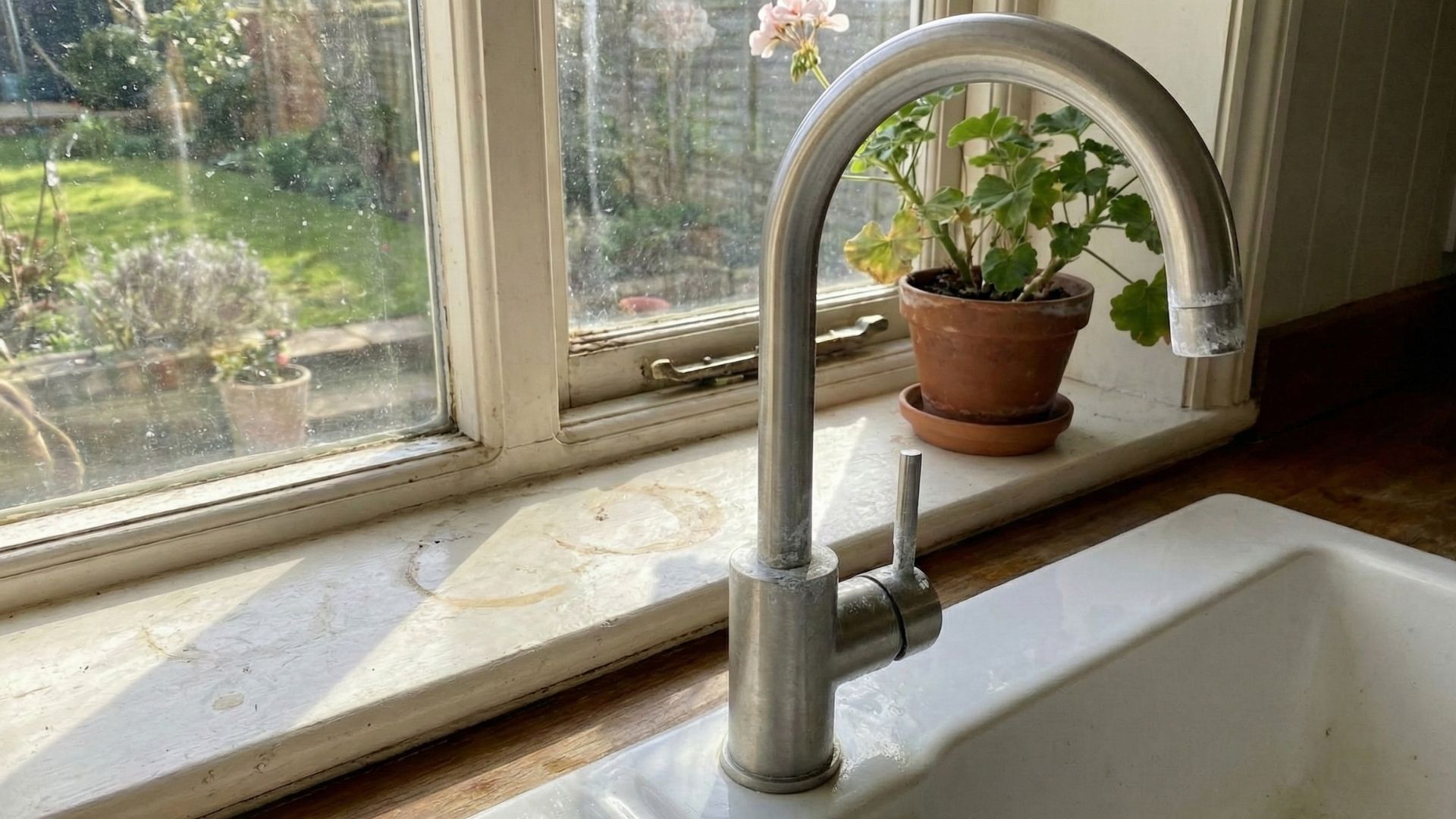
Living in the Twin Cities means enjoying beautiful lakes, but it also often means dealing with the frustration of hard water in our homes. Whether you are in Minneapolis, St. Paul, or the surrounding metro suburbs, you likely notice the effects daily. From crusty faucets to dry, itchy skin, these mineral deposits can wreak havoc on your daily routine and your expensive plumbing appliances. Fortunately, understanding the specific water quality in our area is the first step toward finding a lasting solution that protects your home and improves your family’s comfort.
Understanding Hard Water Levels in Minneapolis and St. Paul
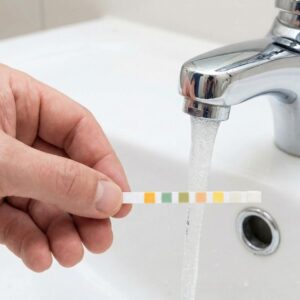
Water hardness varies significantly across the metro area, impacting how we treat it. While St. Paul often has lower hardness levels around 5-6 grains per gallon due to municipal treatment, many suburbs and well-water homes face levels exceeding 15-20 grains. This high mineral content explains why hard water Minneapolis residents experience is so persistent.
Recognizing the Signs of Hard Water Damage in Your Home
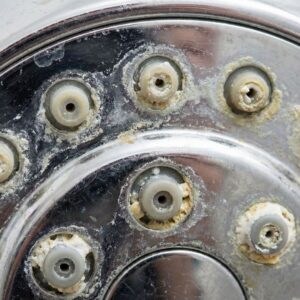
You might not see the minerals, but the evidence is everywhere in your house. Common indicators include stubborn white spots on glassware, stiff laundry that fades quickly, and scale buildup on showerheads. Furthermore, if your water heater rumbles or fails prematurely, it often signals that sediment is destroying your appliances from the inside out.
Choosing the Best Water Softener for MN Water
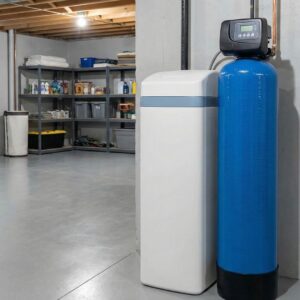
Selecting the right system depends on your specific water hardness and household usage. Traditional salt-based ion exchange softeners are typically the best water softener for MN water because they physically remove calcium. Alternatively, salt-free conditioners descale pipes but do not remove minerals, making them less effective for homes with extremely hard water levels.
Water Softener Installation Cost Twin Cities Breakdown
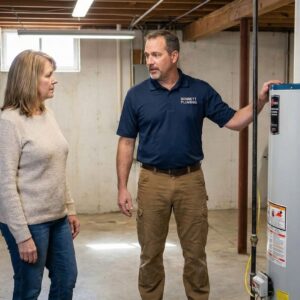
Investing in a softener is crucial for long-term plumbing health, but pricing varies widely. Generally, the water softener installation cost Twin Cities homeowners pay ranges from $1,000 to $3,000. This price fluctuation depends on the unit’s grain capacity, the complexity of your home’s piping, and whether you require a simple replacement or new install.
Dealing with mineral buildup is a challenge, but you do not have to let it damage your plumbing system forever. By identifying your specific water quality needs and investing in the right equipment, you can extend the life of your appliances and enjoy cleaner water. At Matt’s Plumbing Solutions, we are ready to help you assess your needs and install the perfect system for your home. Contact us today to schedule a water test or discuss your installation options with our expert team.